

Published: : July 23, 2026, 11:14 AM
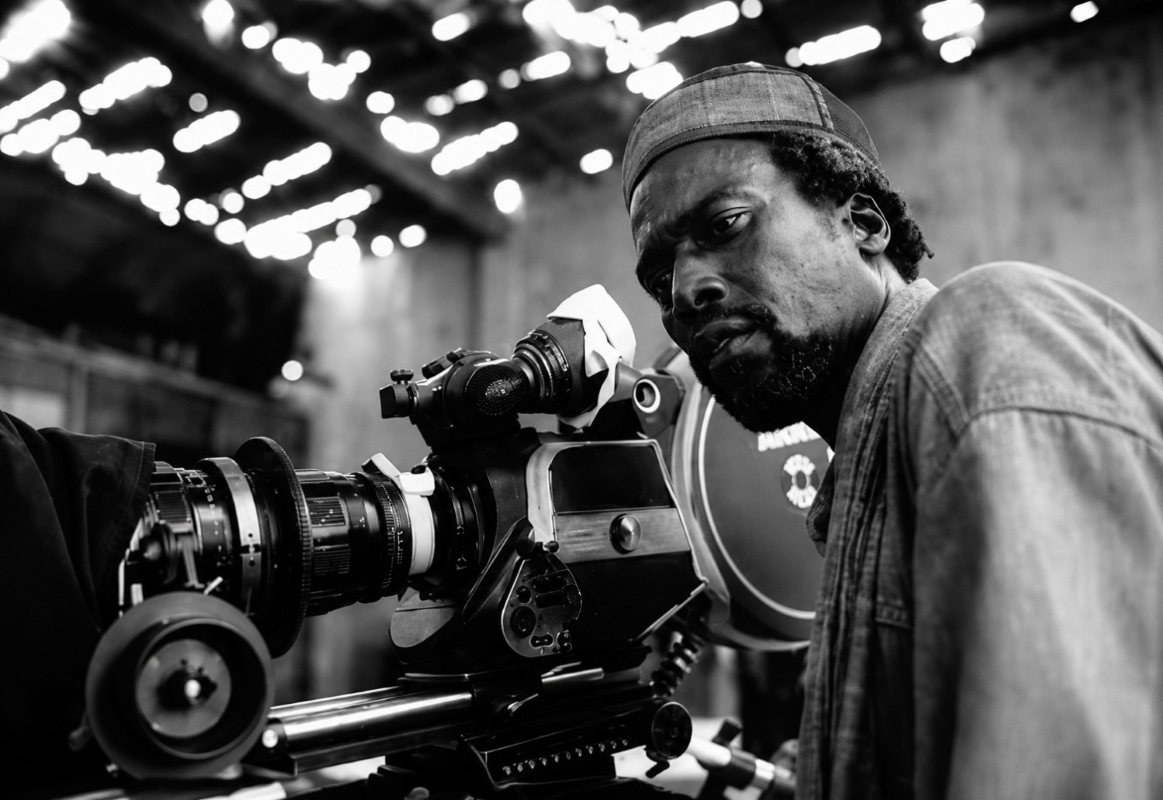
Today marks the twenty-eighth anniversary of the death of Djibril Diop Mambéty, the Senegalese filmmaker whose formally daring body of work remains central to the history of African cinema. Mambéty died from lung cancer in a Paris hospital on July 23, 1998. He was 53 years old.
Born in Colobane, Dakar, in 1945, Mambéty first trained as an actor and worked at Dakar’s Daniel Sorano National Theatre. Although he had theatrical training, he received no formal education in filmmaking and taught himself cinema. His early films, Contras’ City and Badou Boy, established his interest in Dakar as a place of movement, contradiction, humour and social tension.
His first feature-length film, Touki Bouki, was released in 1973. It follows Mory and Anta, a young couple who dream of leaving Senegal for an idealised life in Paris. Through jump cuts, symbolic imagery, layered sound and the repeated use of Josephine Baker’s “Paris, Paris,” Mambéty created an experimental portrait of migration, desire and postcolonial disillusionment. The film challenged assumptions that African cinema had to follow conventional social realism and brought Mambéty international recognition.
Nearly two decades later, he returned to feature filmmaking with Hyenas in 1992. Adapted from Friedrich Dürrenmatt’s play The Visit, the film relocates the story to a Senegalese community. A wealthy woman returns to her impoverished hometown and offers its residents a fortune in exchange for the death of the man who betrayed her. Mambéty transformed the premise into a biting examination of greed, consumerism, corruption and economic dependence.
His later work turned toward people living at society’s margins. Le Franc, released in 1994, and The Little Girl Who Sold the Sun, released posthumously in 1999, formed the first two parts of an unfinished trilogy commonly known in English as Tales of Little People. These films focus on characters facing poverty and exclusion, but present them with humour, resourcefulness and dignity.
Mambéty completed only two feature-length films, yet the reach of his cinema greatly exceeds the size of his filmography. His inventive editing, political insight and refusal of rigid storytelling conventions continue to shape discussions of African and world cinema. On the anniversary of his death, he is remembered as an artist who made Dakar the centre of a cinematic universe that was local in detail, global in meaning and uncompromising in imagination.


-20260706114936.jpg)



-20260719103949.jpg)