
Published: : June 17, 2026, 03:11 PM
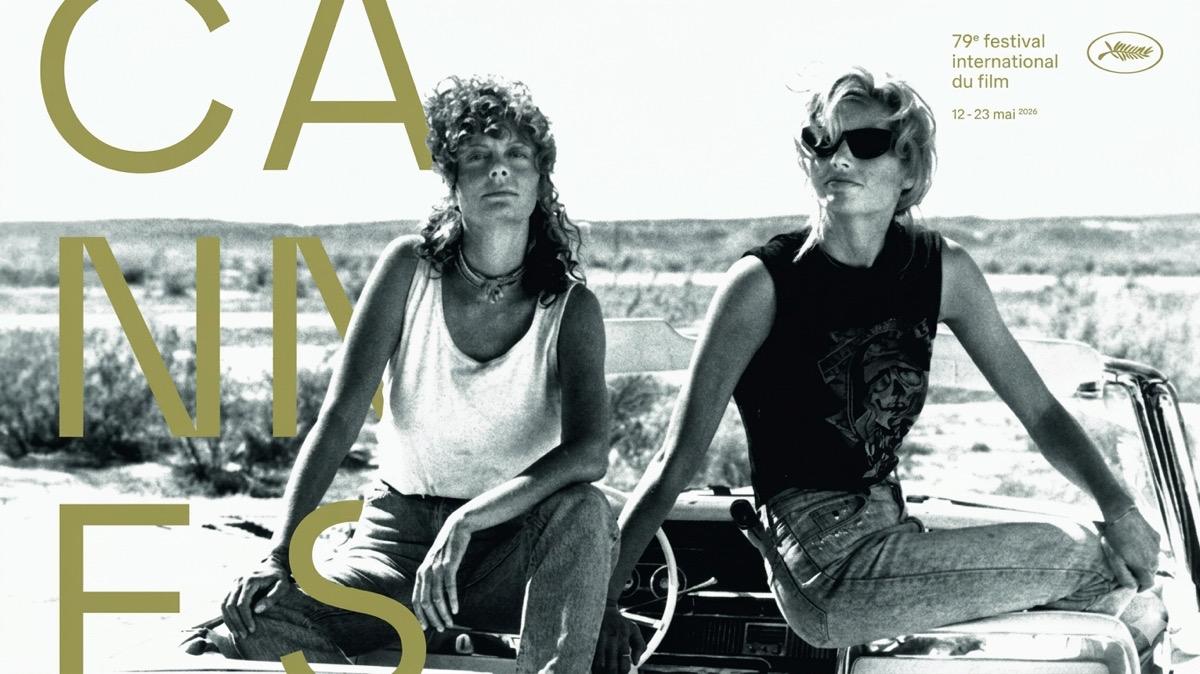
At Cannes, the red carpet always tells the first story. It tells a story of lights, cameras, famous faces, and cinema as a beautiful public event. That is the version of Cannes most people see from far away. But the real story of the festival usually begins later. It begins when the applause fades and the prizes are announced. That is when Cannes stops looking like only a glamorous spectacle and starts acting as one of cinema’s most influential judges.
On the closing night of Cannes 2026, that deeper story became clear. The Palme d’Or went to Fjord, directed by Romanian filmmaker Cristian Mungiu. It was not a victory for a giant studio film, a sequel, or a safe commercial formula. It was a victory for a director’s personal vision. In that moment, Cannes reminded the world that cinema still needs filmmakers who are willing to ask difficult questions.
This is why Cannes 2026 showed that international auteur cinema still matters. The word “auteur” may sound academic, but the idea itself is quite simple. An auteur film feels shaped by a director’s own way of seeing the world. It does not feel like it was made only because a market demanded it. It feels like a person had something to say and found a cinematic form for it.
The major awards seemed to support this idea. According to the official Festival de Cannes winners’ list, Fjord won the Palme d’Or, Andrey Zvyagintsev’s Minotaure (Minotaur) won the Grand Prix, and Valeska Grisebach’s Das geträumte Abenteuer (The Dreamed Adventure) won the Jury Prize. The Best Director award was shared by Pawel Pawlikowski for Fatherland and Javier Calvo and Javier Ambrossi for La Bola Negra (The Black Ball). These awards went to filmmakers from different countries and traditions, but they all pointed toward one thing: Cannes wanted to honor films with a clear artistic identity.
Mungiu’s win was especially meaningful because he has a long history with Cannes. He previously won the Palme d’Or in 2007 for 4 Months, 3 Weeks and 2 Days, and with Fjord he became one of the few filmmakers to win the festival’s top prize twice. Reuters described Fjord as a Norwegian-set drama about a Romanian IT specialist and his family living in a Norwegian village, where cultural differences over child-rearing bring child-protection services into the family’s life.
That may sound like a small story. It is about parents, children, and a family under pressure. But this is exactly where auteur cinema often becomes powerful. A director like Mungiu can take one family crisis and turn it into a larger question about culture, faith, migration, law, and fear. He does not need spectacle to create tension. He only needs people trapped in a situation where no answer feels simple
This is the strongest argument in favor of Cannes. At its best, the festival protects films that might be ignored in a purely commercial film culture. It gives space to stories that are serious, patient, and morally complicated. A film like Fjord may not attract attention because of explosions or franchise names. It attracts attention because it asks viewers to think about how people misunderstand one another. It asks what happens when one culture’s idea of care feels like another culture’s idea of control.
That kind of cinema matters today. We live in a time when many public arguments become loud very quickly. People argue about parenting, religion, migration, identity, and state power. They often choose sides before they understand the human beings involved. A film like Fjord slows the argument down. It asks the audience to look before judging. This is not always entertaining in the easiest sense, but it can be deeply valuable.
The Grand Prix winner also showed Cannes’ interest in serious political cinema. Zvyagintsev’s Minotaure came from a director known for dark moral and political work. Reuters reported that he used his Cannes platform to call for an end to the war in Ukraine. That moment showed why auteur cinema still matters beyond art-house circles. A personal film can also become a public statement. It can carry the weight of history without turning into a speech.
But the argument against Cannes is also important. Critics often argue that Cannes can feel too closed and too elite. Many of the films it celebrates are difficult to access. Some may never reach ordinary viewers in a meaningful way. The festival often speaks the language of critics, distributors, and industry insiders more than the language of everyday filmgoers. That can make Cannes seem distant from the wider public it claims to serve.
There is another criticism too. Cannes sometimes appears very loyal to already famous auteurs. When a director has won before or has a strong festival reputation, their new work may receive attention that a lesser-known filmmaker would struggle to get. This does not mean those directors are undeserving. Mungiu is clearly an important filmmaker. But it is fair to ask whether Cannes sometimes rewards reputation as much as risk.
This debate appeared clearly after Fjord won. Peter Bradshaw of The Guardian argued that Cannes had made the wrong choice. He described Fjord as a “very moderate” film and suggested that it was not as strong as Mungiu’s earlier Palme d’Or winner. He also argued that other films, including Zvyagintsev’s Minotaure, were stronger. This criticism matters because it reminds us that a Palme d’Or does not make a film perfect. It only means that one jury found it important at one moment.
Still, this criticism does not destroy the value of Cannes. In fact, it proves why Cannes still matters. A festival that creates debate is doing something useful. It forces people to argue about what cinema should be. Should it be bold or balanced? Should it speak mainly to critics or reach wider audiences? Should it honor established masters or search harder for new voices? These questions are not weaknesses. They are part of the festival’s life.
Cannes 2026 also showed that international auteur cinema is not one single style. Mungiu’s cinema is tense and realistic. Zvyagintsev’s work is dark and political. Pawlikowski is known for careful images and emotional restraint. Calvo and Ambrossi bring a different kind of creative energy. Grisebach has her own quiet and observational style. Their films are different, but each one carries a personal voice. The festival also looked beyond established names. The Caméra d’Or went to Marie-Clémentine Dusabejambo for Ben’Imana, while Un Certain Regard honored Sandra Wollner’s Everytime. This matters because auteur cinema cannot survive if it becomes only a museum for famous directors. It needs new filmmakers and new perspectives.
So the fairest conclusion is not that Cannes is perfect. It is not. It can be elitist. It can be predictable. It can sometimes choose safe prestige over real surprise. But Cannes still matters because it keeps a certain idea of cinema alive. It reminds us that films do not have to be products only. They can be questions, warnings, memories, and acts of empathy. In the end, Cannes 2026 showed that international auteur cinema still matters because it gave serious personal filmmaking the center of the stage. The red carpet brought the attention, but the prizes gave the festival its meaning. By honoring Fjord and other films shaped by strong directors, Cannes defended a kind of cinema that asks for patience and thought. In a noisy film culture, that defense still feels necessary.