

Published: : February 13, 2026, 10:52 AM
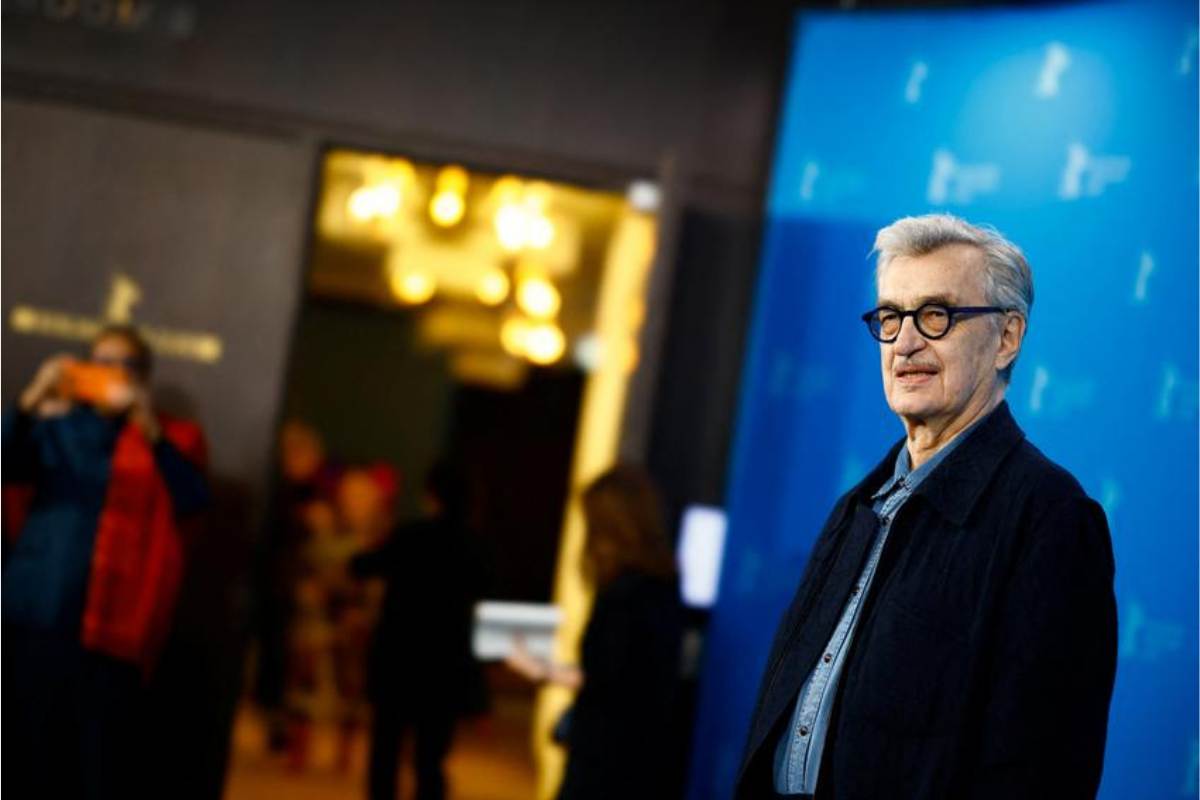
German filmmaker Wim Wenders has said that while cinema has the power to change the world, it does so by influencing people rather than politics. Speaking at the opening of the Berlin International Film Festival, where he is serving as president of this year’s international jury, Wenders argued that filmmakers should avoid stepping into the political arena.
The Berlinale, often seen as more politically engaged than festivals like Venice Film Festival and Cannes Film Festival, has faced criticism from pro-Palestinian activists for not taking a clear stance on Gaza, especially when compared to its responses to the war in Ukraine and the situation in Iran.
When asked about Germany’s position on Gaza, Wenders maintained that cinema must remain distinct from politics. If films become overtly political, he suggested, they risk entering the same space as politicians. Instead, he believes filmmakers should focus on shaping how people think and live. Germany’s approach to the Gaza conflict has itself drawn scrutiny, with some calling it overly cautious, partly due to the country’s historical responsibility tied to the Holocaust.
The press conference livestream was briefly interrupted after a question on Gaza, leading one journalist to allege censorship. Festival organizers later apologized, attributing the disruption to technical issues and promising to release the complete recording.
Reflecting on his role at the Berlinale, the 80-year-old director described the experience as special, noting that Berlin offers a broader view of global realities than most festivals. His own career stretches from classics like Wings of Desire to last year’s Perfect Days.
He reiterated that cinema’s strength lies in shaping personal outlooks rather than influencing policy. No film, he said, has ever truly changed a politician’s mind, but films can reshape how individuals understand their lives.
This year’s festival opens with No Good Men and concludes on February 21 with the awarding of the Golden Bear to one of 22 competition titles.
Wenders leads a seven-member jury that includes Nepali director Min Bahadur Bham, whose film Shambhala marked Nepal’s first competition entry at the festival; South Korean actor Bae Doona; Indian filmmaker and archivist Shivendra Singh Dungarpur; and Japanese American director Hikari, known for Rental Family. They are joined by U.S. director Reinaldo Marcus Green, whose King Richard received six Oscar nominations, and Polish producer Ewa Puszczynska.





-20260322135516.jpg)