Published: : August 7, 2026, 12:49 PM
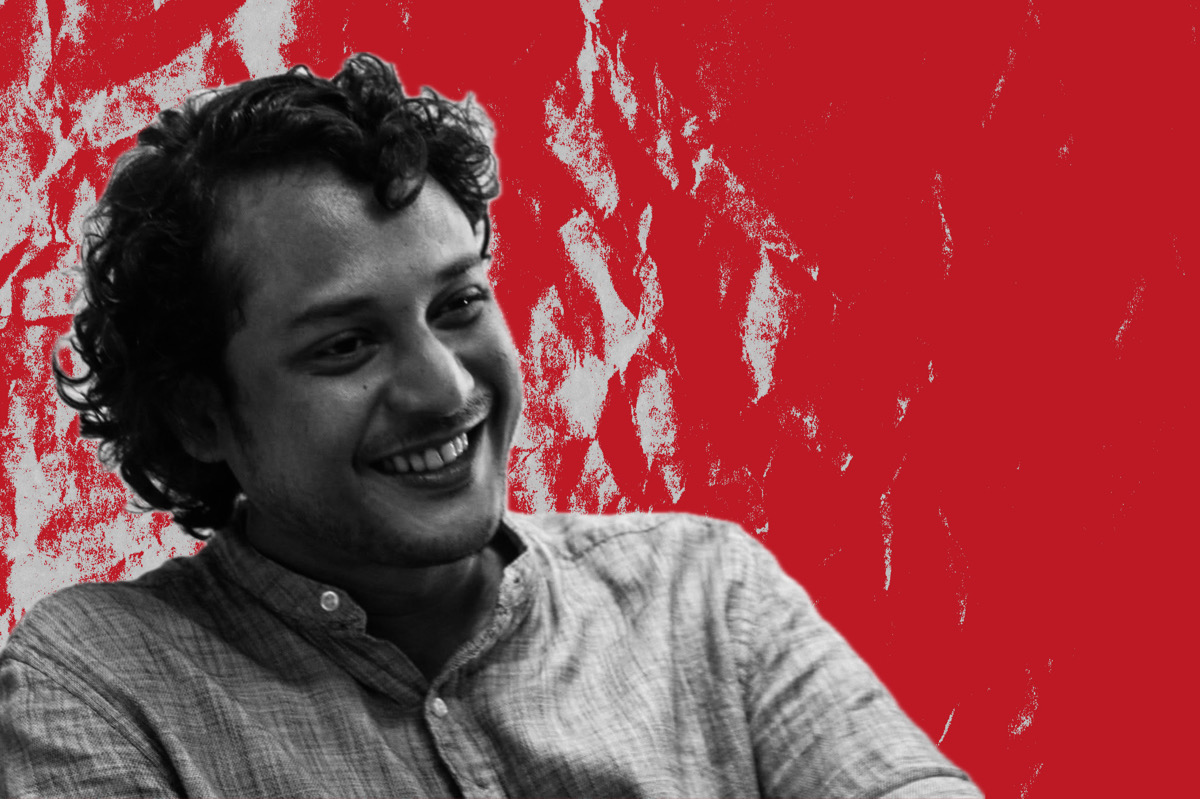
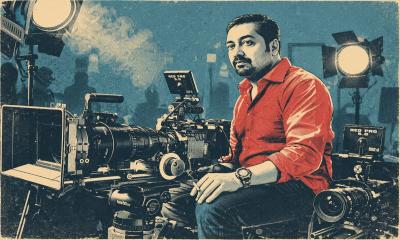
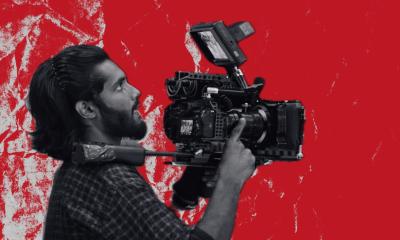
Sameer Ahmed is one of Bangladesh’s most accomplished filmmakers and editors, with a career spanning cinema, television, and advertising. A graduate of the Film and Television Institute of India (FTII), Pune, where he specialized in Film Editing, he has directed and edited numerous feature films, television dramas, and commercials for leading organizations such as Airtel, Unilever, and BBC World Service Trust. His acclaimed work on Guerrilla (2011) earned him the Bangladesh National Film Award for Best Editing. He founded Gao Productions in 2006 and now teaches at Jagannath University, mentoring future filmmakers. In this interview, Md Rabbi Islam speaks with him for Cut To Cinema.
1. How did your journey in film editing begin, and what inspired you to choose editing as a profession?
My journey into cinema began when I was a teenager. I was completely obsessed with films. My grand-aunt, the celebrated actress Shabnam, noticed my fascination and gave me an Indian documentary on filmmaking. It opened my eyes. Suddenly I realised that ordinary people created those extraordinary worlds, and I knew I wanted to become one of them.
When I told my grandfather that I wanted to work in films, he compared an editor to a master tailor. Every cut, he said, must be as precise and meaningful as every stitch. That simple comparison stayed with me. Before joining the Film and Television Institute of India (FTII), I never thought of editing as separate from filmmaking. I loved every department equally. But when I had to choose between direction and editing at FTII, I chose editing because I believed a film is truly completed in the editing room.
I also feel fortunate that my career has spanned almost every era of modern editing. I started on the Movieola, moved to the Steenbeck, and later embraced digital editing. I've worked with 8mm, 16mm, and 35mm film, Beta tapes, DV, and now digital formats. The technology has changed dramatically, but the purpose has remained the same—to tell a story in the best possible way.
2. Which films or projects have played the most important role in shaping you as an editor?
Every project has shaped me in some way. Since graduating from FTII, I've worked on everything from television dramas and documentaries to feature films. Editing is an art that keeps evolving because life itself keeps changing the way you see rhythm, emotion, and storytelling.
I've been fortunate to collaborate with directors such as Nurul Alam Atique, Amitabh Reza, Akram Khan, Zahidur Rahim Anjan, Nasiruddin Yusuf Bacchu, Animesh Aich, and Tokon Thakur. Each of them challenged me to think differently.
Among the works closest to my heart are Payer Tolar Mati Nai, Guerrilla, Meghmallar, Saba, Phulkumar, and Choturtho Matra. Looking back, I realise each film represents a different stage of my growth. One thing has never changed, though—I rarely enjoy watching my own work. I'm always looking for what could have been better, and perhaps that's what keeps me learning.
3. What projects are you currently working on, and what are you exploring creatively at this stage of your career?
At the moment I'm working on Moving Bangladesh, directed by Nuhash Humayun, and Kurkab, directed by Noor Imran Mithu. I feel grateful whenever filmmakers I admire invite me to collaborate with them.
Every new project reminds me that editing is an art that never stops teaching you. Even after all these years, I still feel like a student. Besides editing, I've been directing, producing, and working as a cinematographer since 2004, and I hope to continue exploring cinema from every possible angle. One of my biggest dreams is to build a production company where I can create meaningful films and support the next generation of filmmakers.
4. How would you compare the standard and practice of film editing in Bangladesh with international cinema?
The language of editing is universal, but the working environment is often very different. Around the world, editors are recognised as creative collaborators. In Bangladesh, editing is still one of the least understood professions in filmmaking.
A feature film needs time to discover its rhythm. Editing is not simply joining shots together; it's shaping emotion, time, and meaning. That process requires patience, trust, and creative freedom. Unfortunately, deadlines and commercial pressures often leave very little room for experimentation. If we want our cinema to grow, we must value editors not just as technicians but as storytellers.
5. How do you see the current state of Bangladeshi cinema, and what changes are needed for the industry to move forward?
Despite the challenges, I'm hopeful. I think Bangladeshi cinema is slowly finding its confidence again. Audiences are returning to theatres, OTT platforms have opened doors for new filmmakers, and Bangla content is reaching wider audiences than ever before.
What we need now is belief. We need investors who see cinema as a long-term cultural investment, not just a business. We need stronger government support through better policies, improved film education, modern infrastructure, and incentives for production and post-production. The private sector also has a major role to play in building studios, post-production facilities, and distribution networks. Investing in cinema is ultimately an investment in the country's imagination, identity, and future.
I believe filmmakers don't choose this profession for fame or fortune. We choose it because we believe films matter. I still believe the best days of Bangladeshi cinema are ahead of us, and I hope, in my own way, to contribute to that future.
Send your reviews, articles, and pitches for Cut to Cinema to [email protected]. Check out our submission guidelines for more details.