

Published: : December 7, 2025, 05:35 PM
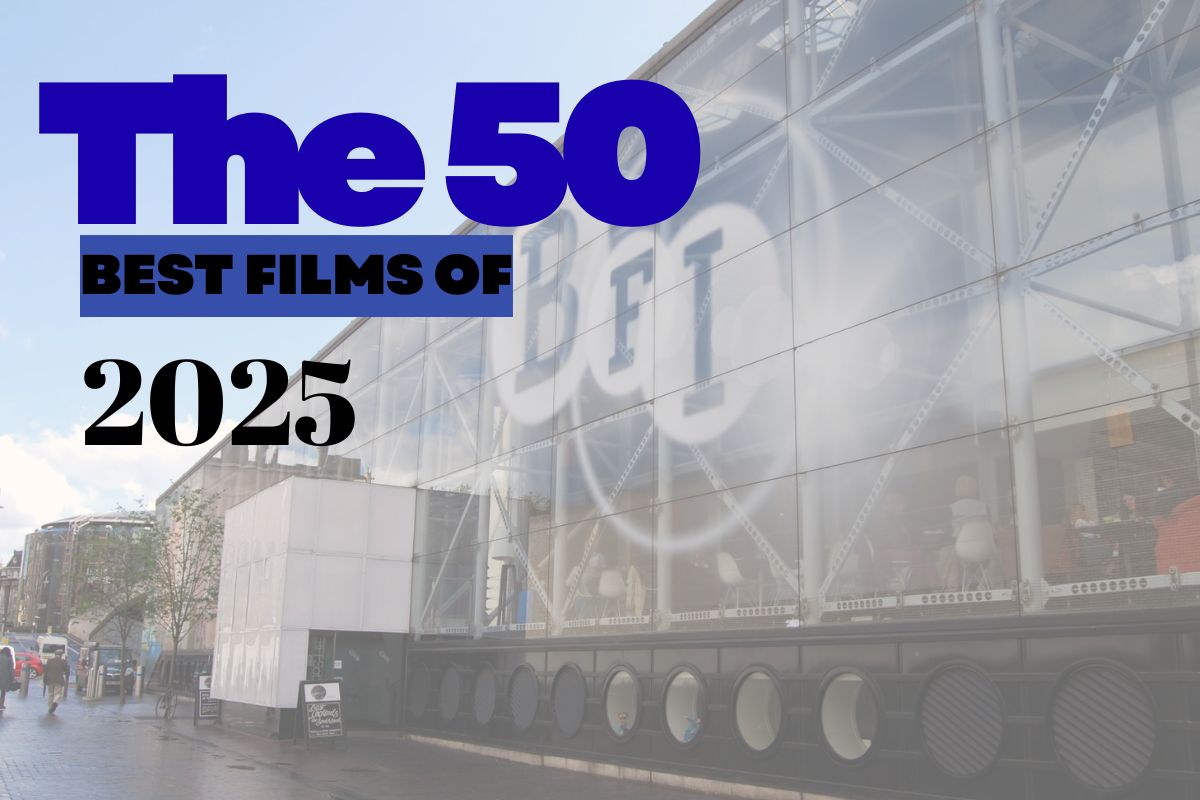
Every year the British Film Institute assembles one of the most trusted snapshots of global cinema, and its 2025 critics’ poll offers a vivid picture of a medium responding directly to the world around it. According to the BFI, the most striking films of the year didn’t stand at a distance from political unrest or social anxiety. Instead, they entered the conversation with courage, humour and a sense of formal play. What emerges from their list is a portrait of cinema that feels sharply alive.
Many of the selected films mirror the turbulence of 2025. Stories touch on detention centres, protest movements, authoritarian crackdowns and the growing confusion of culture-war politics. Even though most of these films began production long before the headlines they now echo, they seem to anticipate the unease of the moment. Rebellion, escape and resistance appear again and again, from fugitives evading capture to young people drifting through unstable landscapes.
Still, the BFI poll shows that filmmakers refused to surrender to darkness. Several titles fold humour into tense situations, creating unexpected blends of comedy and dread. Jafar Panahi, working from personal experience of imprisonment, delivered a revenge thriller laced with sharp farce. Other films, like Asters’s Eddington or Sorry, Baby, turn social hostility into a space for absurdity and emotional honesty. Even the more despairing works often break tension through wit or unusual tonal shifts.
Stylistic audacity defines much of the list. Directors across continents experimented boldly, whether through unconventional narrative structures, striking visual textures or inventive sound design. Music, in particular, plays a dynamic role this year: from the choral surprises of Sinners to the overwhelming rave sequences in Sirāt. Many of these projects also come from emerging directors, proving that fresh voices continue to reshape the language of contemporary cinema.
Another clear thread is the focus on fathers and fractured families. Several films explore paternal responsibility, absence and memory, often tied to broader political realities. In contrast, debut works like Pillion’s BDSM romance or Eva Victor’s deeply personal Sorry, Baby push towards more intimate territory, broadening the emotional range of the year’s cinema.
Taken together, the BFI’s selections show a landscape driven by invention and urgency. These 50 films don’t just reflect 2025; they wrestle with it. They challenge audiences to watch closely, to feel deeply and to recognise that cinema remains one of the sharpest tools we have for understanding how the world changes around us.
A meditative hybrid documentary built from found footage and digital manipulation.
It reflects on violence, erasure, and memory in Palestine.
Aljafari’s approach turns absence into a political testimony.
Hong continues his minimalist style with long takes and quiet conversations.
The film reflects on aging, art, and the small choices that define a life.
It feels simple on the surface but reveals emotional depth.
Anderson blends espionage comedy with his signature visual precision.
The film revolves around a mysterious map and a group of eccentric characters.
It’s playful, tightly structured, and full of intricate staging.
A character-driven Norwegian drama focusing on intertwined lives in Oslo.
Haugerud explores work, class, and fragile relationships.
The writing is delicate and grounded in everyday realism.
An adaptation of Colson Whitehead’s novel told through Ross’s poetic documentary style.
It examines racial violence at a reform school in the American South.
The imagery is lyrical, turning trauma into an intimate visual essay.
Petzold continues his fascination with desire, ghosts, and memory.
The film follows a woman caught between personal reinvention and past wounds.
Its atmosphere is moody, controlled, and quietly suspenseful.
Martel blends fiction and nonfiction to examine colonial traces across landscapes.
The film unfolds as a journey through places marked by history and silence.
Her sound design and fragmented structure create a haunting effect.
A sharp, politically charged film about inequality in modern America.
Lee uses satire, documentary inserts, and bold color design.
It’s energetic, confrontational, and full of stylistic experimentation.
A social drama built from Leigh’s improvisational method.
It follows several working-class families facing economic pressure.
The performances feel lived-in, and the storytelling is painfully honest.
A reinterpretation of Shakespeare’s family through quiet, poetic images.
Zhao focuses on grief, imagination, and the creative power of mourning.
The film has a meditative rhythm and naturalistic cinematography.
Based on Ariana Harwicz’s novel about a woman battling inner chaos.
Ramsay creates a sensory portrait of mental collapse and desire.
The visuals are intense and the tone is emotionally raw.
A documentary uncovering government secrecy and surveillance.
Poitras builds a tense narrative from testimony and classified archives.
The film raises questions about power, truth, and public trust.
A continuation of Boyle’s influential zombie trilogy.
The story expands into a larger geopolitical crisis.
Kinetic editing and atmospheric visuals keep the franchise’s energy alive.
A compassionate portrait of a delivery worker navigating Paris.
The film blends social realism with thriller elements.
Lojkine highlights labor exploitation and migrant vulnerability.
A mysterious drama about a tree that becomes central to several lives.
Enyedi reflects on nature, time, and quiet human connections.
The film feels mystical and grounded at the same moment.
Cronenberg returns to themes of grief, technology, and the body.
A businessman invents a machine to watch deceased loved ones decompose.
It’s eerie, philosophical, and visually unsettling.
McElwee revisits a film he made decades earlier, blending past and present.
It becomes a reflection on memory, aging, and personal storytelling.
His warm, essayistic voice guides the narrative.
A documentary-fiction hybrid about women who work in physically demanding jobs.
Carriera captures risk, pride, and the emotional cost of unstable labor.
The approach is intimate and immersive.
A coming-of-age drama set between London and Lagos.
Davies explores heritage, masculinity, and family secrets.
The film is atmospheric with bold visual choices.
A four-part story about interconnected families.
Jarmusch uses quiet humor and gentle melancholy.
The tone is reflective, focusing on bonds that quietly shape us.
A psychological mystery built around disappearing people in a small city.
Kurosawa keeps tension low and eerie rather than violent.
His minimalist horror style makes ordinary spaces unsettling.
A spy thriller told with shifting perspectives and puzzle-like editing.
Soderbergh experiments with surveillance footage and split screens.
The narrative explores distrust in intelligence agencies.
A playful tribute to French New Wave cinema.
Linklater blends romance, cinephilia, and philosophical dialogue.
Its tone is light, talky, and affectionate toward film history.
A family drama set against Iceland’s dramatic landscapes.
Pálmason explores grief and resilience with painterly visuals.
The pacing is slow, immersive, and emotionally precise.
A raw, intimate drama about siblings dealing with addiction.
Bronstein focuses on everyday tension and small emotional shifts.
The performances feel natural and unfiltered.
A mythic horror-fantasy about a town facing strange cosmic events.
Aster mixes dread, dark humor, and surreal imagery.
The film feels ambitious and structurally unconventional.
A quiet rural drama marked by restrained tension.
Kulumbegashvili explores control, religion, and social pressure.
Her precise framing creates a suffocating atmosphere.
A slow, contemplative narrative about people drifting through sunlit landscapes.
Serra emphasizes mood over plot.
Long takes and silence create a hypnotic experience.
A textured, analog-shot Western set in the Nevada desert.
Jenkin uses hand-processed film stock for a rugged look.
The film reflects on frontier myths and isolation.
An action-drama built around a radical activist group.
Bigelow blends tension, moral ambiguity, and precise staging.
The film questions what resistance means in the modern world.
A reflective romance spanning several decades.
The film focuses on missed opportunities and fragile timing.
Linklater’s naturalistic dialogue remains the heart of the story.
A documentary recounting a child’s desperate plea during a military assault.
Ben Hania mixes interviews and reconstruction to preserve a painful memory.
It’s emotionally direct and politically charged.
A surreal tale set in a snow-covered remote institution.
Hadžihalilović builds a dreamlike world of rituals and secrets.
The film feels unsettling and beautiful at once.
A personal documentary about grief, healing, and artistic growth.
Romvari blends diary images with observational scenes.
The tone is intimate and sincere.
A relationship drama built around two friends sharing a motorbike journey.
Lighton explores class, desire, and fragile masculinity.
The storytelling is tender and unsettling.
A political thriller about corruption and moral collapse.
Park blends tight plotting with stylish visual design.
Violence, irony, and emotional complexity drive the film.
A queer-themed mystery set in a rural French village.
Guiraudie mixes suspense with philosophical humor.
The atmosphere is strange, sensual, and unpredictable.
A satire about bureaucracy, digital culture, and political absurdities.
Jude blends archival footage, long debates, and smartphone images.
It’s intellectually sharp and formally playful.
A mother-daughter drama exploring trauma and reconnection.
Schilinski uses restrained performances and crisp framing.
The emotional arc unfolds gradually but powerfully.
A warm but bittersweet story about family, art, and memory.
Trier balances humor with quiet emotional moments.
It feels deeply human and thoughtfully structured.
A visually ambitious mystery blending dreams, mirrors, and long takes.
Bi Gan plays with time and perception.
The film is poetic, enigmatic, and guided by mood rather than story.
A gentle, magical realist story set in a Georgian town.
Koberidze finds wonder in ordinary life.
The narration and visuals create a fairy-tale atmosphere.
A multi-layered horror film examining gun violence in America.
Cregger shifts tones and characters across different timelines.
It’s tense, socially aware, and structurally bold.
A comedic-dramatic story about friendship, modern dating, and self-sabotage.
Victor blends sharp humor with emotional vulnerability.
The tone is fast, smart, and very contemporary.
A political drama about a filmmaker caught in a legal trap.
Panahi uses real locations and nonprofessional actors.
The film blurs truth and fiction to expose state repression.
Inspired by Conrad’s novel but set in modern Brazil.
Mendonça Filho uses thriller elements to explore political paranoia.
Sound and architecture play key roles in the storytelling.
A mystical desert journey following a man seeking spiritual renewal.
Laxe combines landscape cinema with Sufi influences.
The pacing is calm and reflective.
A quiet character study about an artist facing personal and professional crisis.
Reichardt focuses on small gestures, silences, and subtle humor.
The film is understated but emotionally sharp.
A large-scale drama about faith, family, and social pressure.
Coogler blends intimate storytelling with spectacular sequences.
It’s intense, morally layered, and driven by strong performances.
A sprawling American epic about conflict, ambition, and generational rivalry.
PTA mixes ensemble drama with striking visual design.
The film is emotionally rich, structurally complex, and widely regarded as his boldest work.
-20260223153409.jpg)