
Published: : March 8, 2026, 11:06 AM
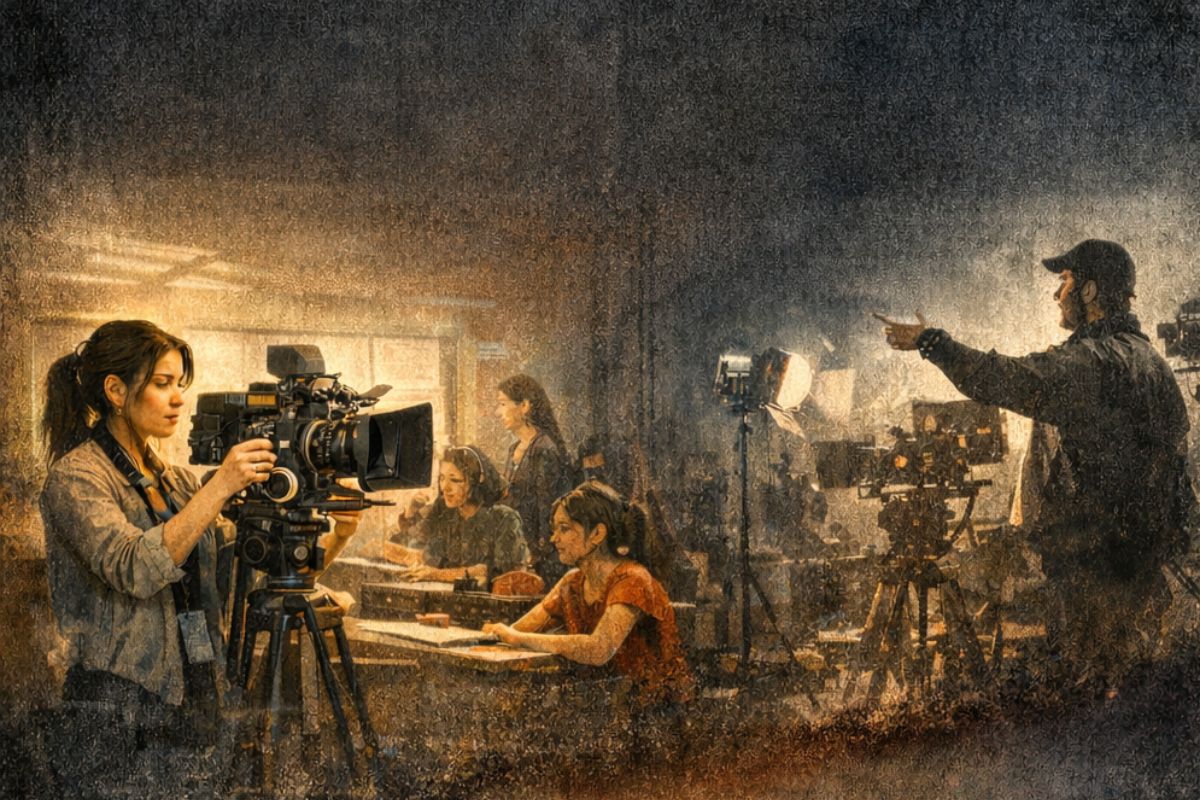
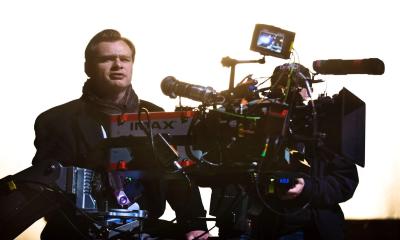
The hallways of modern film schools tell a story of equality. If you walk into a cinematography or directing class today, you will see a balanced room where women make up half of the students. These students have the same technical dreams and creative hunger as their male classmates. Yet, a decade later, the credits of the world’s top films tell a much darker story. In 2025, women made up only 13% of directors and a tiny 7% of cinematographers on the top 250 films. This missing presence is not because women lack talent. It is the result of a century old system of Technical Hegemony that pushes women away from the camera.
Cinema was not always a boys' club. In the early days between 1890 and 1920, the roles of director and technician were flexible. Pioneers like Alice Guy-Blaché were masters of the equipment. She invented narrative storytelling and experimented with sound and color long before they became common. As a secretary, she had unique access to new technology and directed the first narrative fiction film in 1896. Other pioneers like Lois Weber used cinema for social critique, and Frances Marion standardized the continuity script. The industry changed in the 1920s as it turned into a big corporate business. This period saw a deliberate move to make film a masculine field. Technical gatekeeping was done by starting professional groups that kept women out. The American Society of Cinematographers was started in 1919 and labeled the cameraman as a gentleman artist. This professional status blocked women from the camera department. When sound films arrived in 1927, the industry brought in male technicians from the radio field, which pushed early female pioneers out even further.
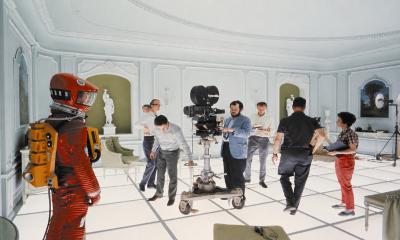
This history lives on today through something called ‘Technical Masculinity’. This is the idea that being good with machines is a naturally male trait. On a film set, knowing how to use complex gear is often seen as proof of leadership. Specialized jargon and strict hierarchies keep these barriers in place. Jargon works like a fence to keep people out of the group. Using terms like gaffer and best boy creates an environment that can be confusing for women who were not raised in these boys' clubs. Research shows that people often stop judging a woman by her skill and start judging her by her gender once they realize she is a woman. This forces women to deal with both professional bias and harassment at the same time.
In 1975, Laura Mulvey explained how the deep habits of a male dominated society shape how films are made. She argued that the pleasure of looking in movies is split between an active male and a passive female. The male gaze projects its fantasy onto the female figure. Women are styled to be looked at, which Mulvey calls ‘to-be-looked-at-ness’. Mulvey also connects movies to the mirror phase, which is when a child first recognizes their image in a mirror. In the theater, the audience identifies with the main male character. This allows the viewer to feel powerful like the man on screen. The male character is free to command the stage and lead the action. Meanwhile, the female character is often just a silent image that man uses to live out his fantasies.
The biggest problem happens after the first success. Data from 2025 shows that while women get help making their first film, they hit a wall when trying to make a second one. This is the ‘Second Feature Trap’. Many female filmmakers drop out of the industry at this point. Women face smaller budgets and fewer job offers than men. Men are 39% more likely than women to write a second film. This happens because of a myth that women are a higher risk for investors. Films directed by women get less money for ads and stay in theaters for less time. This economic exile means women do not have the power to change how the industry works.
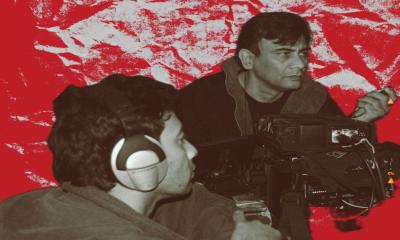
Some filmmakers are skipping these gatekeepers by working alone or with very small crews. This is a way to take back the power of making films. As an example, the Assamese filmmaker Rima Das works this way to bypass traditional limits. For her film Village Rockstars, she was the director, writer, cinematographer, and editor. By not using a large male crew, she kept full control and ignored the rules of technical masculinity. Other important independent filmmakers have used similar methods to stay free from industry pressure. Chantal Akerman used a tiny crew for her final work, filming with simple digital gear to tell a personal story. These small crew models let filmmakers work at their own pace and tell stories that the big industry ignores.
The lack of gender parity in filmmaking is a structural issue rather than a matter of individual skill. From the industry standards of the 1920s to the funding gaps of 2026, these barriers are embedded in the production system. Achieving a fair balance requires a fundamental shift in how financial resources and opportunities are allocated. The future of cinema depends on addressing these technical and institutional hurdles. By supporting independent models, the industry can incorporate a wider range of voices and perspectives. It is time to update the framework of filmmaking so that the screen more accurately reflects the diversity of the human experience.
Sources:
Visual Pleasure and Narrative Cinema by Laura Mulvey (1975).
The Celluloid Ceiling: Employment of Behind-the-Scenes Women on Top Grossing U.S. Films in 2025.
Sundance Institute / Indie Women Report (2024-25).