Published: : August 30, 2026, 02:15 PM
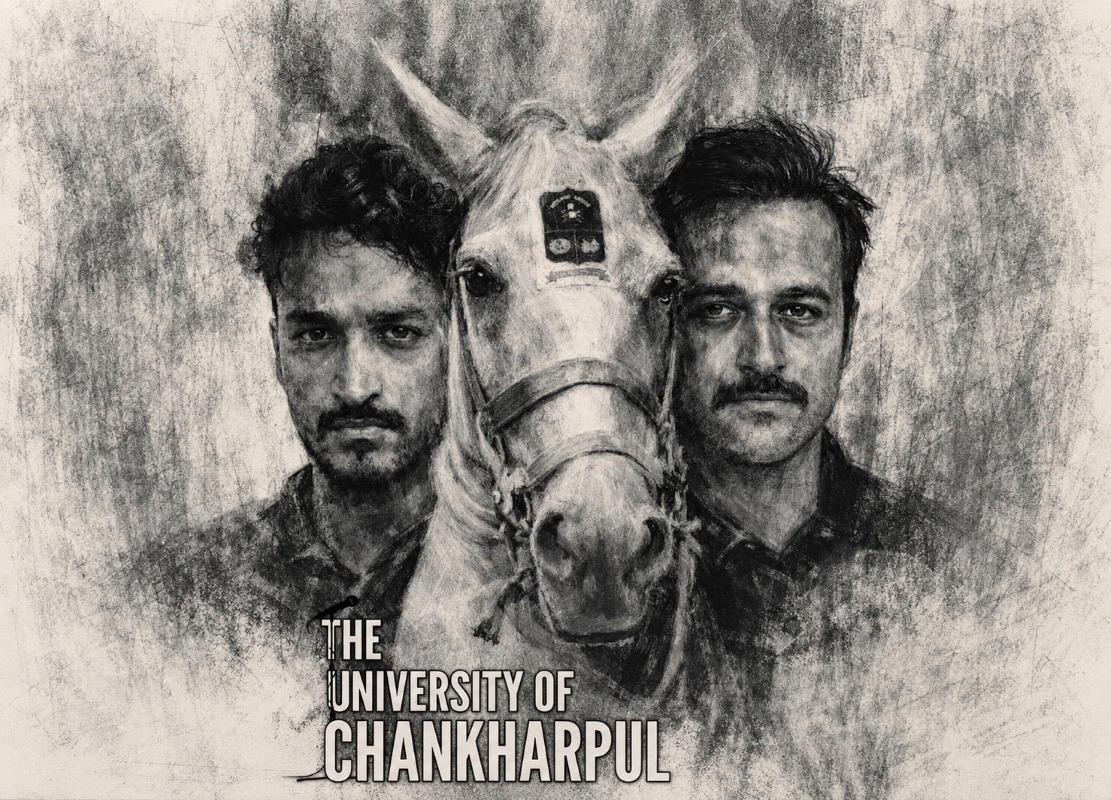
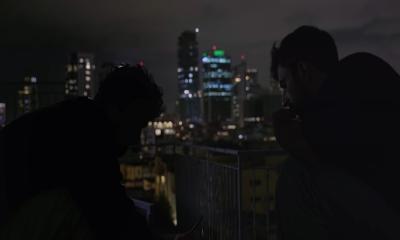
The University of Chankharpul is mainly about the dirty politics and power culture of Bangladeshi public universities. Those who studied or are studying in public universities, especially students who have lived in residential halls will probably find many situations in this film familiar. Political “boro bhais,” compulsory political programmes, maintaining relationships with powerful seniors, fighting for political positions and sometimes simply trying to survive in the hall are all part of the world the film shows us. Director Akash Haque himself experienced “gono room” life at Dhaka University and that probably explains why many of these details feel so close to reality. But the film is not only saying that university politics is bad. Chankharpul gradually feels like a smaller model of our larger political culture where almost everyone is trying to please someone above them while exercising whatever little power they have over the people below.
One of the strongest and most disturbing parts of the film is its portrayal of “guest room”. These so-called manner-learning sessions were supposed to teach juniors discipline, manners and how to behave in the hall but they could actually become places of humiliation, fear and political control. The film shows how students are pressured to attend political programmes and how seniors use their positions to control juniors. One particular moment stayed with me when a senior asks a student what his father does before physically abusing him. Later we understand that he was actually checking the boy’s family and financial background to know how far he could go. That small moment says a lot about this entire power structure. The abuse is calculated. More importantly, this culture creates a cycle. Someone who is humiliated as a junior may later gain power and do exactly the same thing to the next group. What destroyed the confidence and university life of many students eventually became normalised as “culture.”
The story mostly revolves around how this student political system works and how general students get pulled into it. Not everyone is there because of ideology. Some students are forced or pressured to attend programmes while others stay close to leaders because there is something to gain from it, such as a hall seat, protection, money, influence or a political position. The film repeatedly shows students praising their political seniors and trying to satisfy them because loyalty itself becomes a kind of currency. Even the repeated “Bhai” and “Shohomot Bhai” mentality fits perfectly here. You agree with the person above you because disagreeing might cost you something while agreeing might bring you closer to power. Interestingly, the major characters are not even given proper names. They are mostly ranks, nicknames or simply “Bhai.” To me, this makes the political hierarchy more important than the individuals inside it. One Bhai can disappear and another can replace him but the system remains.
The character who interested me most is the student who believes that good people should enter politics. His logic is actually reasonable. If educated people and people from good families continue avoiding politics because they think it is dirty then only the wrong people will be left to control it. He believes someone has to enter the system to make it better. But this character who eventually becomes known as the Horseman also confused me throughout the film. He talks about bringing good changes but politics gradually becomes so important to him that he ignores his father, girlfriend and even other important parts of his life. His actions are not always morally correct either. At times, what he says and what he actually does gave me two different signals. I still think the film could have developed this conflict more clearly because sometimes I was unsure whether I was watching intentional moral contradiction or simply uneven character development.
However, thinking about him after the film made this contradiction more meaningful to me. Maybe we are not supposed to see him as either completely good or completely bad. He enters politics believing that he can change the system but gradually there is another possibility: the system may be changing him. A person does not have to become corrupt in one dramatic moment. It can happen through many small compromises. You do something questionable because you tell yourself that you need power first to make a difference later. Then you compromise again to reach the next position. Eventually it becomes difficult to understand whether you still want power to create change or whether power itself has become the goal. Even the powerful University President answers to people outside the campus. Everyone seems to have someone above them. That makes the whole political game feel endless.
This is where the satire works really well. The film shows young student leaders behaving almost like major national political figures while people around them constantly praise them and compete for their attention. Political posts that should mean very little compared with education become the centre of their university lives. The garlands, programmes, slogans, “Bhais” and constant agreement become funny because they are so absurd. But the humour is also uncomfortable because these things are recognisable. I particularly liked how the film can make us laugh at something that is actually quite brutal. The comedy does not necessarily make the politics less serious. Sometimes it makes the stupidity of the whole system easier to see. This is probably why the film works better as political satire than when it tries to become a deeper character drama.
Visually, however, I found the film inconsistent. The biggest change for me came when the horse appeared. When the ‘horseman’ finds the horse in the field, takes it home and says that he bought it, the cinematography suddenly becomes much more interesting. The frames feel more artistic and visually rich and for a while the film starts creating meaning through images rather than only dialogue. Initially, I saw the horse as a symbol of freedom, especially because it appears beside a character becoming increasingly trapped by politics and ambition. But there is another interesting side to it. The horse also gives him an identity. He becomes the “Horseman,” people notice him and that visibility helps him rise within the political hierarchy. The horse is kind of a magical object that helps him rise above his previous rank.
That makes the horse even more interesting to me. Something we normally associate with freedom actually helps take him deeper into a system of control. There is also something heroic about the image of a man riding a horse and perhaps that connects with the way he sees himself. He wants to be different from the dirty politicians around him. He wants to believe that he is the person who can enter this system and still remain better than it. Unfortunately, this visually creative flow does not last long enough. Somewhere around the middle of the film, I felt that cinematic richness fading away. The film could have been much better visually. The halls, corridors, political rooms, crowds and the horse itself offered so many possibilities for stronger visual storytelling. Once the film showed me what it could do visually, returning to a more conventional style became disappointing.
This leads to my biggest criticism of The University of Chankharpul. The film has great potential, but its making sometimes feels amateurish. There are continuity problems, uneven transitions and moments that stop the film from feeling seamless. The pacing also becomes weaker in the middle. At times, the filmmaker seems more interested in making sure we understand a political point than in allowing that point to naturally come through the story. Still I have to appreciate the ambition behind it. Haque handled the screenplay, production, editing and cinematography himself and the production worked with very limited resources including one camera and one lens. That explains some roughness but it does not completely excuse it. A film can have an important subject and still be criticised for how that subject is presented. For me, the ideas here are simply stronger than the filmmaking.
In the end, what The University of Chankharpul tells us is more interesting than simply saying that student politics is dirty. We already know that. What the film shows better is how this kind of system survives. It survives because seniors control juniors, juniors tolerate it hoping to become seniors, ordinary students seek benefits from powerful leaders, friends become competitors, and everyone keeps saying “Bhai” to someone above them. It can even survive through someone who genuinely enters politics believing that he will change it. I see university politics as a smaller version of Bangladesh’s wider power structure. The people occupying the positions can change while the structure remains. The University of Chankharpul is technically imperfect, sometimes visually creative and sometimes frustratingly rough, but it gave me something important to think about. The Horseman believes that good people can enter a bad political system and change it. By the end, the more uncomfortable question is the opposite one: what if a bad political system is much better at changing good people?
Md Rabbi Islam is a sub-editor of Cut to Cinema. He can be reached at [email protected].
Send your reviews, articles, and pitches for Cut to Cinema to [email protected]. Check out our submission guidelines for more details.