
Published: : July 22, 2026, 11:27 PM
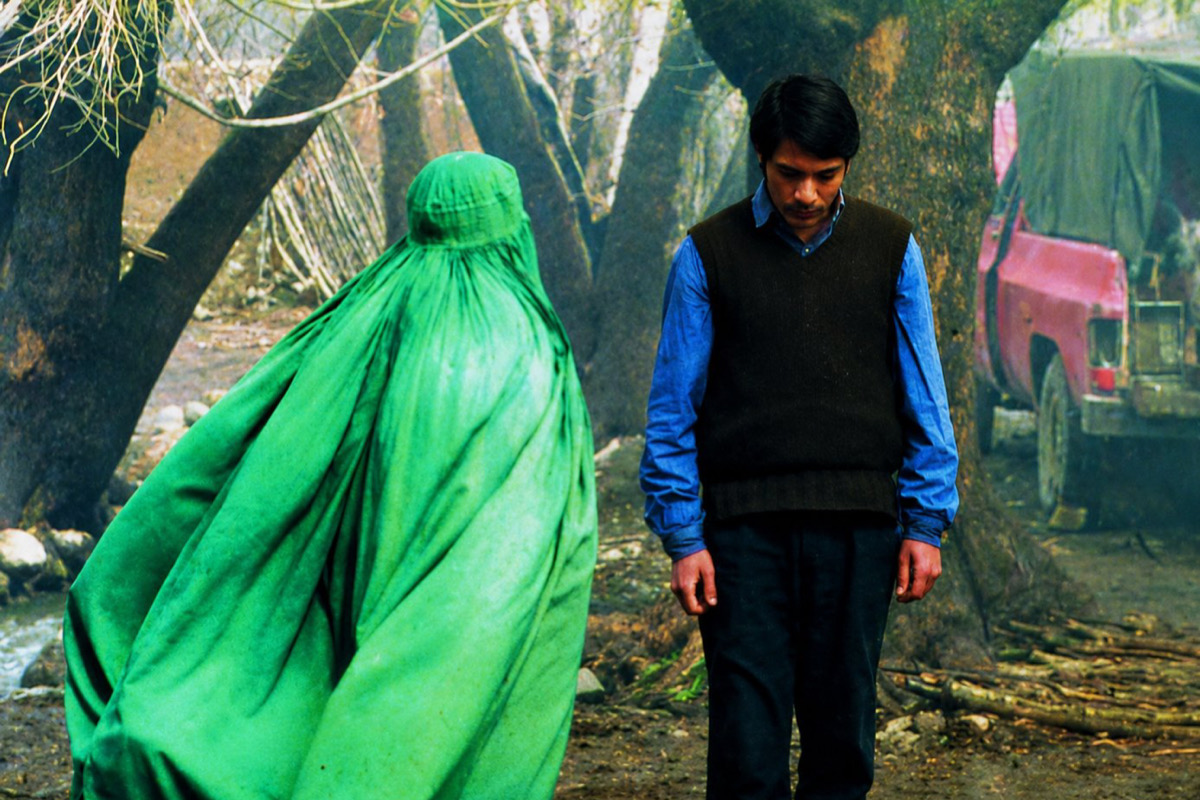
Iranian cinema has long been recognized for its subtle nature of storytelling, use of symbolism and reflection of social realities. Majid Majidi’s Baran (2001) is a notable film of this tradition. It explores themes of migration, sacrifice, gender and spiritual transformation through the experiences of Afghan refugees in Iran. The film is set mainly at a construction site in Tehran and centers on Lateef, a carefree and energetic teenage boy who works under Memar, the site manager. After an Afghan worker named Najaf is injured, Najaf’s child, Rahmat, begins working in his place to support the family. When Lateef discovers Rahmat’s true identity, the discovery serves as a catalyst for his inner transformation.
The film contains several notable creative tools and metaphors. The title Baran comes from the name of its central female character, and the Persian name “Baran” means “rain.” Rain can symbolize renewal, purity and transformation, and these meanings are reflected in Lateef’s gradual moral and spiritual development. Before discovering Baran’s identity, Lateef is generally seen in shabby clothing and appears careless about his presentation. After discovering that Rahmat is actually Baran, he begins to care more about his appearance and is seen wearing red clothing. This change may reflect how Baran’s presence affects his state of mind and sense of self. The curtains shown in important scenes also symbolize Baran’s concealed identity and the cultural and gender boundaries that separate her from Lateef.
After her father’s accident, Baran has to disguise herself as Rahmat so that she can work and provide for her family. Her disguise reveals how poverty, gender restrictions and undocumented refugee status limit her opportunities. She is compelled to conceal her identity in order to enter a male-dominated workplace and protect herself. This creates sympathy among the audience for her helplessness and vulnerability. The empty residence of Baran shown near the end of the film also acts as a metaphor for the fragile and temporary lives of Afghan refugees in Iran. Just as their presence in the country is uncertain and unstable, the residence proves to be only a temporary shelter that can easily be abandoned. It also symbolizes the void caused by Baran’s departure from Lateef’s world.
While many conventional romantic films use direct dialogue, physical intimacy and open expressions of affection, Baran follows a contrasting and restrained approach. Majidi guides the audience through silence, observation and acts of sacrifice, yet still succeeds in depicting Lateef’s love for Baran. Baran remains largely silent throughout the film, making it challenging for the audience to fully understand the depth of her emotions. Her silence may represent the helplessness and vulnerability of marginalized female refugees whose voices and choices are restricted by poverty, displacement and social circumstances. Lateef’s feelings, however, become visible through his actions. After learning about Baran’s financial distress, he sells his Iranian identity card to obtain money for her family. By giving up the document that proves his legal identity, he sacrifices one of the privileges that separates him from the undocumented Afghan refugees.
Towards the ending, Baran leaves for Afghanistan, and Lateef looks at the footprint she has left in the mud. As rain gradually fills the footprint, the image may symbolize both Baran’s absence and Lateef’s spiritual growth. As an audience member, I interpret this as Majidi’s use of physical space and natural imagery to suggest a shift from earthly attachment to spiritual development. Lateef’s feelings towards Baran evolve from jealousy and possessiveness into compassion and selflessness, and this transformation is one of the key moral developments in the film. Overall, although the film is slow-paced and its understated approach reduces the dramatic intensity of some scenes, it ultimately succeeds in leaving a strong impression on the audience. I would certainly recommend this film, as it can provide deeper insights into life, culture and society for students of communication, people interested in exploring social issues and anyone who genuinely appreciates good cinema.