
Published: : August 24, 2026, 12:01 PM
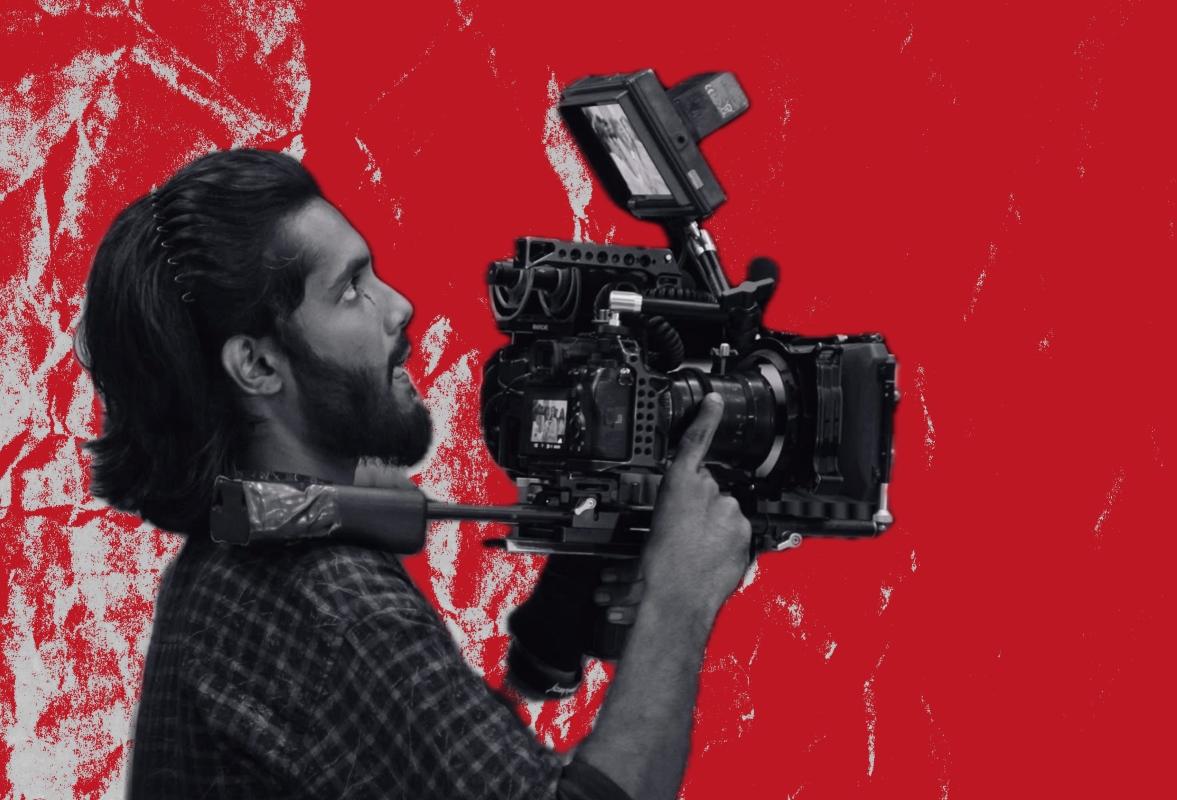
Following Samiul Karim Shuptak’s historic Best Cinematography win for The Blind Girl and an Elephant in the Asian New Talent Competition at the 28th Shanghai International Film Festival, Cut To Cinema exclusively spoke with him about the milestone, his creative process, inspirations, challenges faced during production, and future aspirations in filmmaking. The interview was published in the July issue of Cut To Cinema (Vol 2 No 4).
First of all, congratulations on winning the award. How did it feel to receive this recognition?
Thank you, Cut to Cinema. Receiving this award for my very first feature film was something I never imagined. Having the film screened at a prestigious festival like the Shanghai International Film Festival was already a huge privilege. Then, when I learned that I had won the award for Best Cinematography, I was simply overwhelmed. It's difficult to put that feeling into words.
Sankota Dulchhe has no colour, which is a striking visual choice. Did shooting in black and white make composition easier, or do you think the film would have benefited from colour?
Choosing to shoot in black and white was a creative decision from the beginning. Interestingly, before this film, director Ishtiaq Jihad and I had already collaborated on two short films, both of which were also shot in monochrome.
I wouldn’t say that the absence of colour made composition any easier. Most of the scenes were filmed in a single take, or at most two takes, so every composition was carefully planned and quite challenging. We had to pay close attention to everything, from the actors' blocking to maintaining the right lighting contrast ratio.
The night sequences and the storm scenes were particularly demanding. Since those scenes naturally contained a great deal of black, we focused primarily on exposing for the whites. One advantage of shooting in monochrome was that we didn't have to worry about colour temperature while lighting those scenes. That was probably the biggest technical advantage.
More importantly, I don't think we could have achieved the same mood and atmosphere if the film had been shot in colour.
Was your cinematography influenced by the works of Lav Diaz or Béla Tarr? Who are your biggest inspirations?
If we’re talking specifically about Sankota Dulchhe, then yes, the cinematography in Lav Diaz’s films was a major source of inspiration for me. But more broadly, I’m influenced much more by cinematographers such as Rodrigo Prieto, Emmanuel Lubezki, Robert Yeoman and Hoyte van Hoytema. Their work has had a significant impact on the way I think about cinematography.
Cinematography is becoming an increasingly popular profession in Bangladesh, and many young people now aspire to become cinematographers. What's your perspective on this trend?
Cinematography is undoubtedly one of the most fascinating professions in the film industry. Speaking for myself, I’ve always been deeply fascinated by cameras, and that passion is what motivated me to pursue this career.
What excites me most is the opportunity to explore different visual styles for different stories. Every project offers a new creative challenge. It’s encouraging to see that cinematography is being practised much more actively in Bangladesh than before, and more young people are choosing it as a career. That's definitely a positive development.
That said, the industry’s overall working conditions are still far from ideal, not just for cinematographers but for technicians in general. Long working hours, inconsistent payment systems and the lack of proper professional standards continue to affect the quality of work. Addressing these issues would create a much healthier environment and make it much easier for the next generation of cinematographers to build sustainable careers.
Send your reviews, articles, and pitches for Cut to Cinema to [email protected]. Check out our submission guidelines for more details.