
Published: : July 17, 2026, 12:48 PM
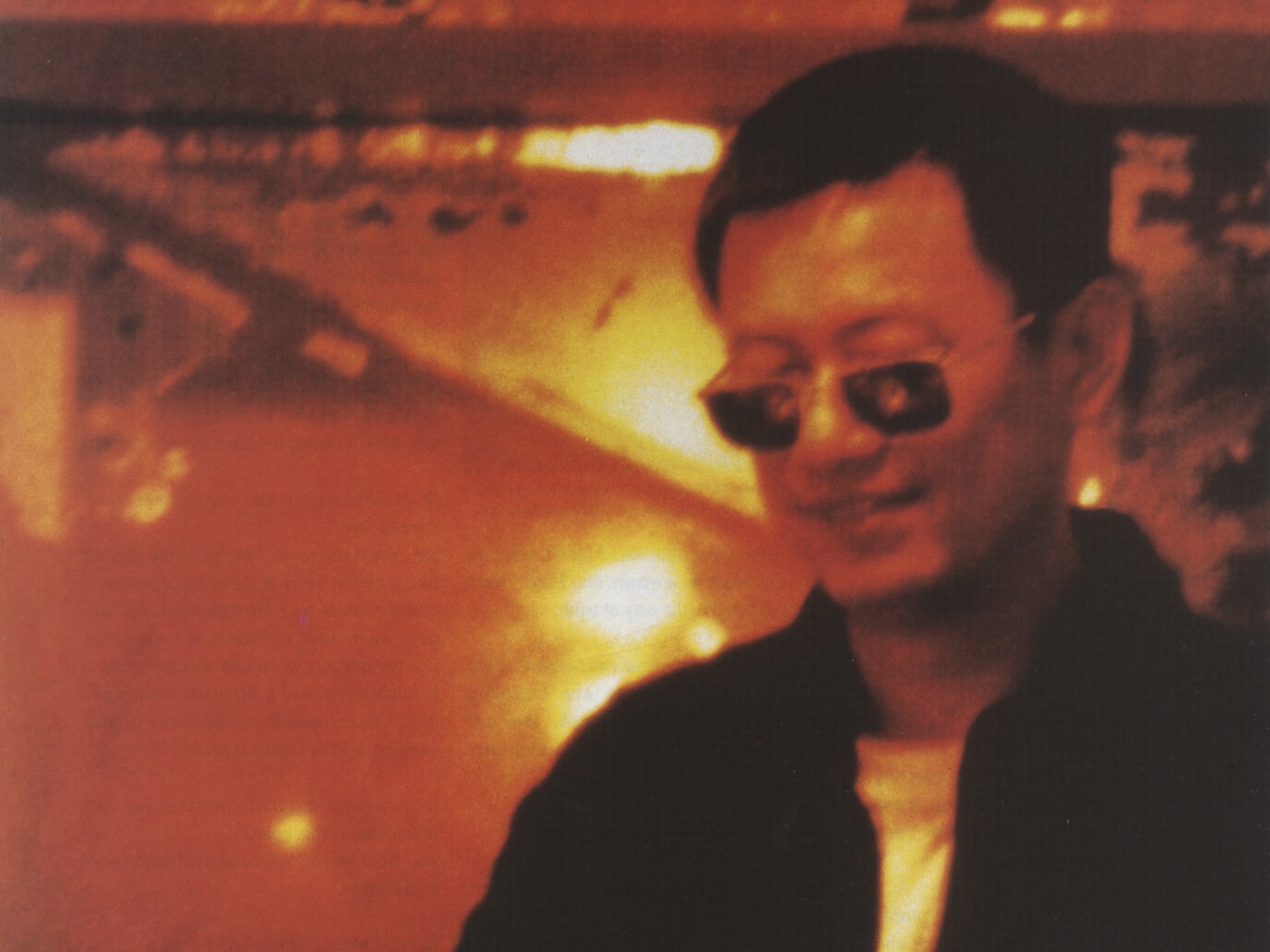
Hong Kong’s New Wave emerged from a complicated history shaped by colonization and changes in the local film and television industries. Influenced by Western and Asian filmmaking, directors explored identity, society, and philosophy. One of its most famous filmmakers is Wong Kar-wai, an auteur associated more specifically with Hong Kong’s Second Wave and known for films such as In the Mood for Love (2000), Chungking Express (1994), and Fallen Angels (1995). Frequently appearing at international film festivals in his iconic sunglasses, Wong has become one of Hong Kong’s most recognizable filmmakers. His films are crafted with nonlinear narratives, atmospheric music, and vivid cinematography with bold, saturated colours. Together, these elements create powerful emotions that people remember for a long time. Watching one of his films often feels like reading a beautiful poem or remembering an old dream.
Wong Kar-wai’s influence on global cinema is difficult to overstate. By the late 1990s and early 2000s, he was no longer known only in Hong Kong. His fourth released feature film, Chungking Express (1994), brought him to the attention of wider Western and international audiences. At the 1995 Hong Kong Film Awards, the film won Best Film, while Wong won Best Director. He followed it with Fallen Angels (1995), which became a cult classic and a strong example of his unique style. Wong further established his reputation with Happy Together (1997), winning Best Director at the Cannes Film Festival. Film festivals celebrated his work, critics praised his style, and audiences discovered that his films were different from mainstream cinema. In recent years, many people have first discovered Wong Kar-wai through still photographs and short clips shared online. Like Haruki Murakami in the literary scene, Wong Kar-wai became one of the most internationally recognized Hong Kong filmmakers of his generation. Along the way, Wong has won many awards and honours. However, the true measure of his achievement can be seen through the influence he has had on other artists. Critics, filmmakers, and viewers have identified aspects of his style in works as diverse as Sofia Coppola’s Lost in Translation, Matthew Weiner’s television series Mad Men, Barry Jenkins’s If Beale Street Could Talk, and Bi Gan’s Long Day’s Journey into Night.
Today, his influence can be seen across many areas of visual culture. Many contemporary directors have acknowledged Wong Kar-wai’s influence, whether directly or through similarities identified by critics. His work has inspired not only directors and cinematographers but also photographers, fashion designers, visual artists, music-video creators, and even social-media artists around the world. People who have never watched one of his films may recognize his signature style through images shared online. He never attended a conventional film school, but he studied graphic design, entered a television drama-training programme, and began his film career as a scriptwriter. Instead of focusing only on traditional storytelling, he became interested in exploring feelings that are difficult to describe—longing, loneliness, regret, hope, desire, and the passing of time. His characters often struggle to express what they truly feel. They miss opportunities, remember lost relationships, and search for happiness in a busy world. These emotions are universal, which is why audiences from many different cultures connect with his films. His work helped bring greater international attention to Hong Kong art cinema.
Wong’s filmmaking process is also very different from that of many directors. He often begins shooting with only a rough idea of the story or an unfinished screenplay. During production, he continues writing, changing scenes, and discovering new ideas together with his actors. Some of his films take much longer to complete because he believes that the best ideas often appear while making the movie rather than before it begins. Collaboration is a key feature of Wong’s work. Chungking Express, shot through a fast and flexible process while its story was still being developed, exemplifies the extraordinary camerawork of his long-time collaborator, cinematographer Christopher Doyle. This relationship, along with Wong’s collaboration with production designer and editor William Chang, has given his films an unforgettable visual identity. Slow motion, coloured lens filters, extreme wide-angle lenses, and creative lighting give his melancholic stories a sense of energy and beauty. Wong also frequently works with a recurring group of actors, including Tony Leung Chiu-wai, who has appeared in seven of his feature films, as well as other important figures in Chinese cinema such as Maggie Cheung and Leslie Cheung. They have all delivered some of the most memorable and acclaimed performances of their careers under Wong’s direction.
In recent years, Wong Kar-wai has become surprisingly popular among younger audiences. Short clips from his films are widely shared online because of their beautiful visuals and emotional atmosphere. Modern life is fast, crowded, busy, and constantly connected through technology, yet many people still experience loneliness, uncertainty, and nostalgia. Wong’s stories speak directly to these feelings. His characters often deal with missed opportunities, changing cities, fading memories, and the search for meaningful human connections. These experiences continue to feel relevant in the twenty-first century. Although Wong’s films are deeply personal, one theme appears again and again: love. However, his stories are not typical romantic stories with perfect endings. Instead, he explores the complicated and painful side of love. His characters often fall in love at the wrong time. They miss opportunities because of fear, pride, or simple bad luck. Sometimes they meet the right person only after it is too late. These small moments become powerful because they reflect real life. Wong’s characters often hide their true feelings, making every glance, silence, and pause meaningful. By refusing to explain every emotion directly, Wong allows audiences to participate in the story. Each viewer can interpret the characters’ emotions in their own way. Another important theme in his films is loneliness. Ironically, Wong often places lonely characters in crowded cities filled with thousands of people. Even when surrounded by others, they still feel emotionally isolated. This idea of chance and fate in a busy city is at the heart of Chungking Express and many of Wong’s other works. Memories shape who we are. Without them, we lose part of ourselves. Yet living entirely in the past prevents us from embracing the future. Many Wong Kar-wai characters also live between the present and the past. They remember old conversations, familiar songs, favourite places, and people they once loved.
A major characteristic of Wong Kar-wai’s work is his use of bold and contrasting colours. He uses dramatic dark-green shadows and bright, warm light to create emotional landscapes. His films are visually beautiful, but reducing them only to their appearance misses what makes them special. Every colour, camera movement, piece of music, and lighting choice works together to express human emotion. His approach to cinematography has influenced many filmmakers around the world. Wong shows that cinema is not only about telling stories; it is an art form capable of capturing feelings that words alone cannot describe. This approach encourages audiences and filmmakers around the world to pay attention to small details and understand how images can communicate emotions.
Decades after the release of his films, works such as In the Mood for Love, Happy Together, 2046, Chungking Express, and Fallen Angels continue to be shown at film festivals, restored for new generations, and discussed by critics worldwide. For new viewers, some of his films may feel unusual at first because they use deliberate pacing, leave questions unanswered, and focus more on emotion than dramatic action. However, watching them with patience allows audiences to experience the beauty of his filmmaking. Wong Kar-wai is more than just a famous Hong Kong filmmaker. He is an artist who transformed cinema into a language of emotions, memories, and beautiful visuals through rich colours, poetic cinematography, unforgettable music, and emotionally complex human characters. He created films that feel both personal and universal. His films are meant to be felt, remembered, and experienced again and again.