

Published: : July 13, 2026, 03:21 PM
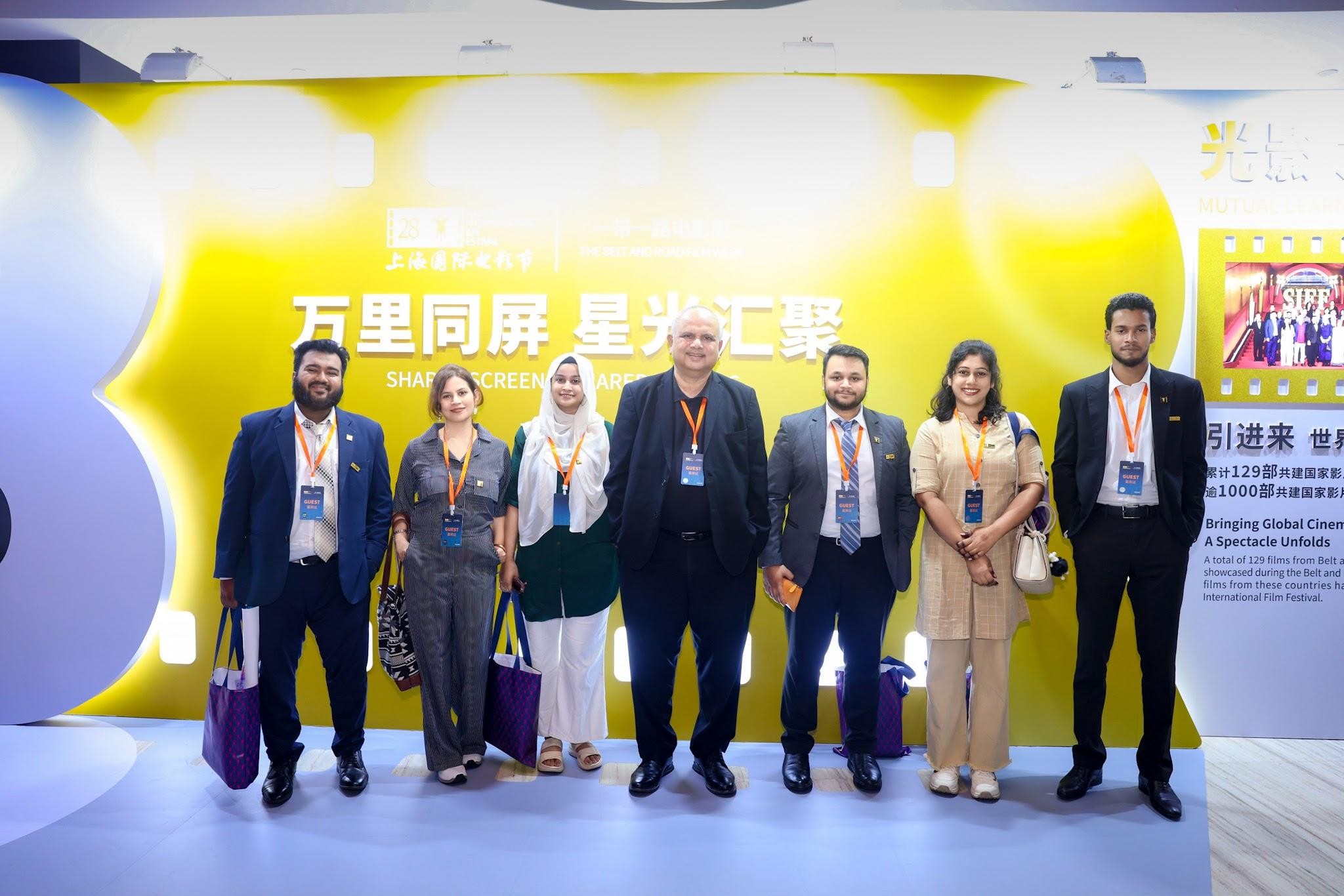
There are some journeys that stay with us long after they end. My visit to China for the 28th Shanghai International Film Festival (SIFF) was one of those journeys.
Held from June 12 to June 21, 2026, the Shanghai International Film Festival is China's only FIAPF-accredited A-list film festival. Every year, it welcomes filmmakers, artists, producers, festival organizers, and cinema lovers from across the globe. For ten days, Shanghai becomes a meeting place where stories, ideas, and cultures come together through the universal language of cinema.
As a recent graduate of the Department of Film and Television at Jagannath University and an Official member of the Dhaka International Film Festival (DIFF), attending one of the world's leading film festivals was something I had always dreamed about. What I did not know was that this trip would become much more than a film festival experience. It would be a journey of learning, cultural discovery, international friendship, and personal growth. I felt very fortunate to receive the opportunity to attend this prestigious event. I am grateful to DIFF Festival Director Ahmed Muztaba Zamal and the Embassy of the People's Republic of China in Bangladesh, especially Cultural Counselor Mr. Li Shaopeng, for making this journey possible.
When our delegation from Bangladesh arrived in Shanghai on June 15, I was immediately struck by the city's beauty and scale. Modern skyscrapers rose high into the sky, while large green parks and open spaces provided a refreshing balance to urban life. During the drive from Shanghai Pudong International Airport to our hotel, I spent most of my time looking out the window, taking in everything around me. What impressed me most was how Shanghai has managed to combine rapid development with environmental care. It showed me that modernization does not have to come at the expense of nature. As someone coming from Bangladesh, I could not help imagining how inspiring such a model could be for our own cities.
One of the highlights of the festival was our visit to the Shanghai Film Museum.For anyone passionate about cinema, the museum is a fascinating place. It tells the story of Chinese filmmaking from its earliest years to the present day through carefully preserved cameras, costumes, posters, film clips, and historical documents. As a film student, I had studied many aspects of film history in the classroom. Yet standing in front of these artifacts created a completely different experience. The museum made history feel alive. What impressed me most was how Chinese cinema has evolved alongside the country's social and cultural development. Every gallery revealed not only the story of films but also the story of a nation. The visit reminded me that cinema is much more than entertainment. It is a record of people's lives, dreams, struggles, and identities. Outside the festival venues, Shanghai itself became an important classroom. Walking through the city's streets, meeting local people, and exploring different neighborhoods gave me a better understanding of contemporary China. Everywhere we went, we were welcomed with warmth and kindness.
A particularly meaningful part of the festival was the Belt and Road Film Week. The program brought together filmmakers and cultural representatives from many countries under the theme "Shared Screens." The message was simple but powerful: cinema has the ability to connect people regardless of language, nationality, or cultural background.As a representative connected to the Dhaka International Film Festival, which is a member of the Belt and Road Film Festival Alliance, I felt proud to be part of these discussions and exchanges.
Throughout the event, I met people who shared the same passion for cinema despite coming from completely different parts of the world. Those conversations reminded me that storytelling is a universal human experience. No matter where we come from, films allow us to understand one another.
Among the many events we attended, the Charm Pudong Gala Night was one of the most enjoyable. The evening featured music, dance, and cultural performances that showcased China's rich artistic traditions. The performers combined traditional elements with modern creativity, creating a vibrant and engaging atmosphere. Equally important were the conversations that took place throughout the evening. Filmmakers, festival delegates, cultural professionals, and guests from different countries came together to share ideas and experiences. These moments of connection are often the most valuable part of any international film festival. Films may bring people together, but friendship keeps those connections alive.
The closing ceremony on June 20 was undoubtedly the emotional high point of the entire journey. Before entering the venue, we had the opportunity to walk on the festival's famous Red Carpet. For a young Bangladeshi film graduate attending his first international festival, it felt like a dream. The excitement in the air was impossible to describe. Filmmakers, actors, artists, and industry professionals from around the world gathered to celebrate cinema.
Then came a moment that made every member of our delegation proud. Bangladesh received the first award of the evening when The Blind Girl and the Elephant, directed by Ishtiaque Zihad, won the Golden Goblet Asian New Talent Award for Best Cinematography. Hearing Bangladesh's name announced on one of world cinema's most respected stages was a deeply emotional experience. It was a reminder that Bangladeshi filmmakers are making their mark internationally and that our cinema continues to gain recognition across the world.
As our flight departed Shanghai on June 21, I reflected on everything I had experienced over the previous days.I had traveled thousands of kilometers to attend a film festival, but I was returning home with much more than memories of screenings and events. I was bringing back new friendships, valuable knowledge, cultural experiences, and a renewed belief in the power of cinema. The 28th Shanghai International Film Festival was not simply a visit to another country. It was a journey through cinema, culture, and human connection—a journey that will continue to inspire me for many years to come.



-20260223153409.jpg)