
Published: : January 6, 2026, 06:51 PM
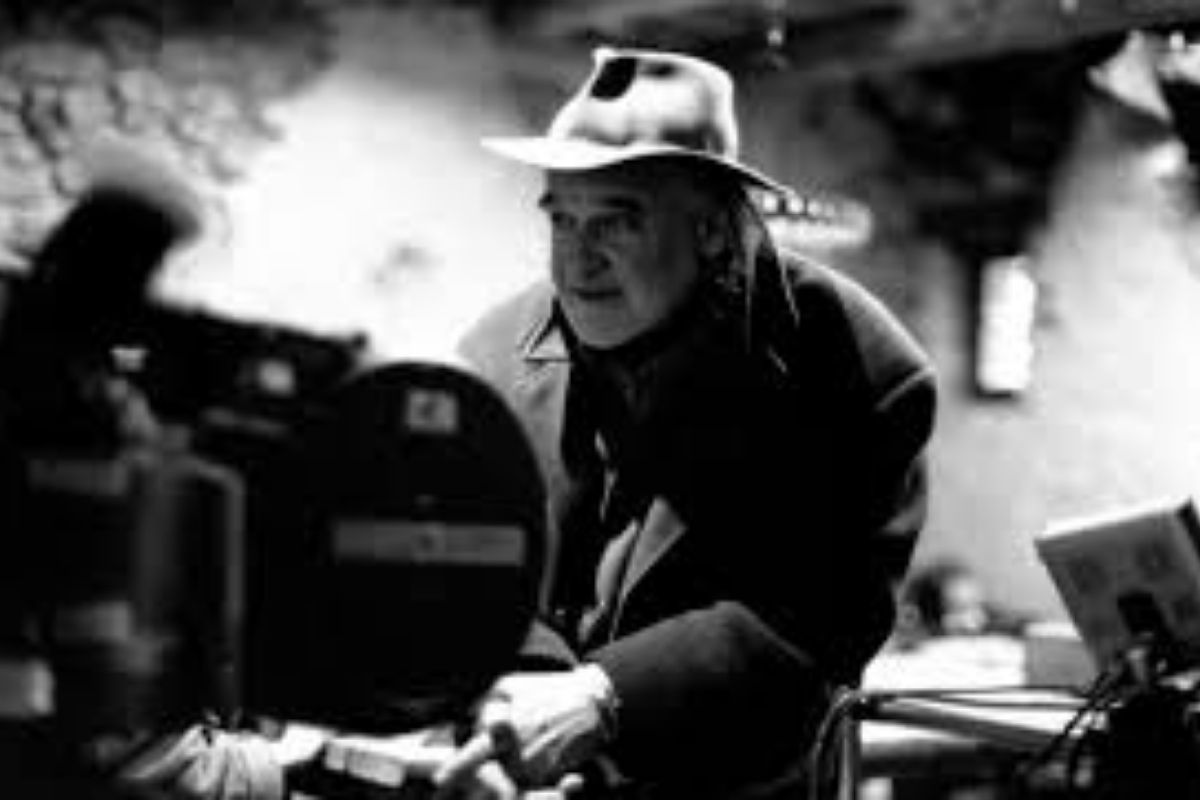
Hungarian filmmaker Béla Tarr has died at the age of 70. Born on 21 July 1955, Tarr began his career with Family Nest (1979), initially working in what he described as “social cinema,” focusing on the everyday lives of ordinary people and often employing a cinéma vérité approach. Over time, his films underwent a major stylistic and thematic shift, marked by a stark, pessimistic view of humanity. His characters are frequently disillusioned, trapped in fraught relationships that critics have often described as bleakly ironic.
His early feature Almanac of Fall (1984) portrays the tense coexistence of residents in a decaying apartment building. Damnation (1988) brought international attention for its slow, meticulously controlled camera movements, a hallmark of Tarr’s style. This approach reached its fullest expression in Sátántangó (1994) and Werckmeister Harmonies (2000), films noted for their austere vision of reality and apocalyptic mood. Sátántangó is regularly cited in academic polls of the greatest films ever made, while Werckmeister Harmonies earned widespread critical praise. Tarr later competed at the 2007 Cannes Film Festival with The Man from London, which received generally positive reviews.
Tarr’s closest creative partner was editor and co-director Ágnes Hranitzky, with whom he collaborated from 1978 until 2012. He also worked extensively with Nobel laureate László Krasznahorkai, composer Mihály Víg, cinematographer Fred Kelemen, and actress Erika Bók.
After the release of The Turin Horse (2011), widely celebrated on critics’ year-end lists, Tarr announced his retirement from feature filmmaking. He later relocated to Sarajevo, where in 2013 he founded the international film school film.factory. Dividing his time between Budapest and Sarajevo, Tarr helped build the school into one of the world’s most distinctive film education initiatives, known for its open, unconventional structure and teaching by leading international artists.
Beyond teaching, Tarr continued to pursue experimental artistic projects outside traditional cinema. In 2017, he presented Till the End of the World at the Eye Filmmuseum in Amsterdam, a hybrid of film, theatre, and installation that drew tens of thousands of visitors. In 2019, commissioned by the Wiener Festwochen, he created Missing People, a large-scale, site-specific work blending performance, installation, and moving image, involving hundreds of homeless participants in Vienna.