

Published: : August 13, 2026, 11:32 AM
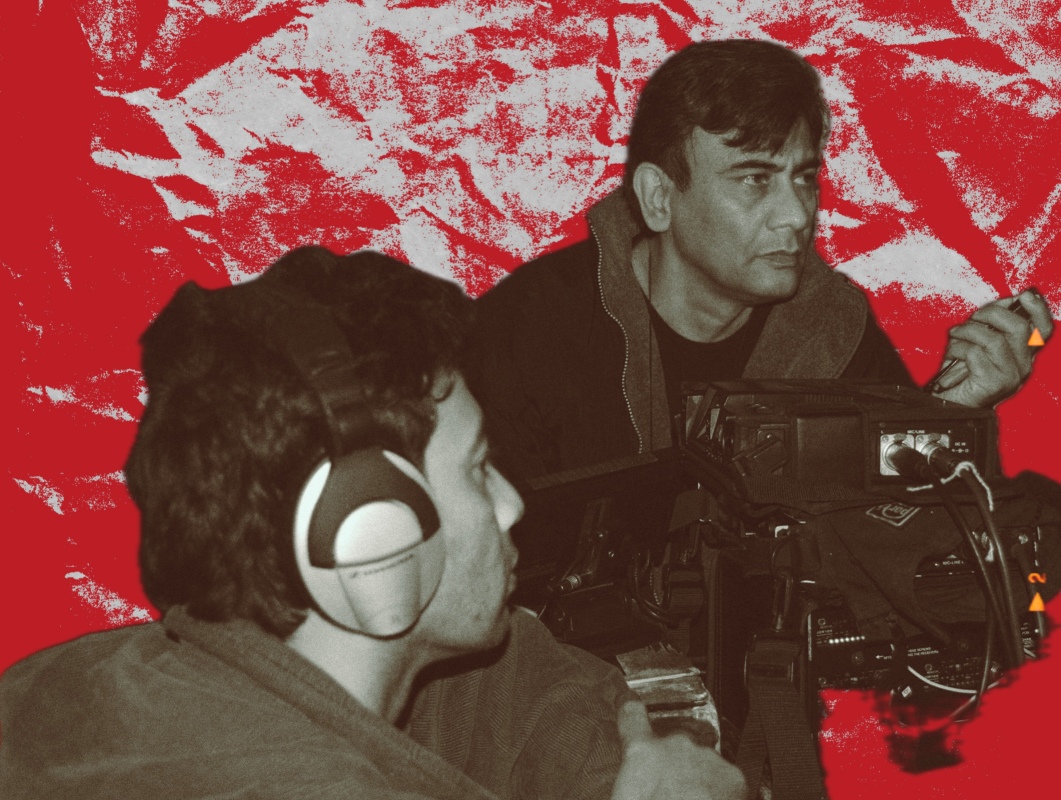
The noon of 13 August. A noon as dark as night. It was not only a devastating day for five families; a terrible afternoon descended upon our film community as well. We lost Tareque Bhai and Mishuk Bhai. In the same accident, we also lost the microbus driver, Mustafiz—whom my daughter Tantri used to call “Mocham”—Wasim Bhai, the production manager of Kagojer Phool, and Jamal, the craftsman who had come to build a mud house for the film. Dhali Al-Mamun Bhai and Catherine Masud were seriously injured.
That day, I saw many people crying who perhaps had never known Tareque personally. Perhaps their connection was with the Liberation War, with the aspiration for a progressive and secular Bangladesh, or with the idea of women’s freedom. That is why, to me, the grief of that day never felt like a private or family loss.
Many of you may not know that my father passed away just five days before that road accident. Tareque Bhai, Catherine, and I went to our village home when we heard the news. After the funeral, Tareque Bhai sat down with Catherine and me. We talked about the shooting of Kagojer Phool.
A zamindar house in Manikganj was an important location for the film. There was a river in front of the house, and one of the film’s important scenes required the river to reach a particular floodwater level. We had waited four years for that water level. In the monsoon of 2011, the river had finally risen to the required height. Everything was ready for the shoot.
Tareque Bhai said, “Let’s not shoot this year.”
Despite being overwhelmed with grief after my father’s death, Catherine and I found it difficult to accept. We had waited four years for that water level, and there was no guarantee that the river would reach the same height the following year.
Tareque Bhai explained to us, “Now that our father is passed away, I need to spend this time with Amma. If we start shooting, I won’t be able to give her the time she needs, and I won’t be able focus the shoot properly either.”
He sent Catherine and me back to Dhaka and stayed with Amma. Mishuk Bhai and I had a documentary shoot, so we returned to Dhaka.
Mishuk Bhai and I then went to Matlab in Chandpur to shoot a documentary for a foreign research organisation. We returned to Dhaka the following day. On the way back, Mishuk Bhai was taking a nap in the front seat of the microbus. The director of the documentary was sitting beside me. At one point, he said, “Look, what a beautiful sunset!”
I asked him, “Do you want to shoot it?”
He said, “It would be nice, if possible.”
I looked towards Mishuk Bhai, trying to figure out whether he was in a deep sleep. I called him very softly, so that if he was deeply asleep, I wouldn’t disturb him. Mishuk Bhai responded normally. I told him about the director’s request.
He asked the driver to stop. He got out of the vehicle and spent quite some time filming the sunset. But he did not only film the sunset. There was a man rowing a boat, and he followed the boat for quite a while. From the small camera monitor behind him, I watched how smoothly he followed the boat against that extraordinary light.
I believe that may have been the last shot Mishuk Bhai ever filmed.
After that, we returned to Dhaka. Perhaps, during the time Tareque Bhai had spent with Amma, he felt that she might be able to cope with the loss to some extent. With that reassurance, he planned the location recce for Kagojer Phool and contacted Dhali Al-Mamun Bhai, Mishuk Bhai and others.
It was around 11:30 in the morning on 13 August, I think. Tareque Bhai called me and said that they had already on the way back to Dhaka. He also told me that, since Amma would not be leaving the house for forty days, I should make arrangements to bring my sister to Dhaka to see a doctor. Bringing her to Dhaka without Amma was somewhat difficult, so he asked me to speak with everyone and let him know who could bring her.
Then came what many of you already know!
You know that the people of this country had a dream, and still have a dream, of a progressive, secular, healthy and beautiful Bangladesh. A Bangladesh that Tareque Masud and Mishuk Munier loved.
So, 13 August is not only the day they left us. It is also a day to remember that dream of ours!
(The writer of this article, Nahid Masud, is the younger brother of filmmaker Tareque Masud. He is a Bangladeshi production sound mixer, sound designer, producer and educator known for his contributions to independent cinema. He worked closely with Tareque on several of his filmmaking projects and shared an important part of his brother’s journey in cinema. In this personal remembrance, he looks back on Tareque not only as a filmmaker but also as the elder brother he knew and loved.)
Send your reviews, articles, and pitches for Cut to Cinema to [email protected]. Check out our submission guidelines for more details.


-20260223153409.jpg)